University of Arizona Old Chemistry Building Renovation
Details
- Size: 78,000 square feet
- Completion Date: 2022
- Sustainability: LEED Silver
Team
- Architect: Shepley Bulfinch / PMM Architects (Poster, Mirto, McDonald)
- Contractor: Sundt Construction
Awards
- Excellence Award Winner, 2023 SEAOA Excellence in Structural Engineering Awards
- Goodwin Collaboration Award Winner, 2023 AIA Arizona Practice Awards
- Best Project Renovation/Restoration, 2023 ENR Southwest Best Projects
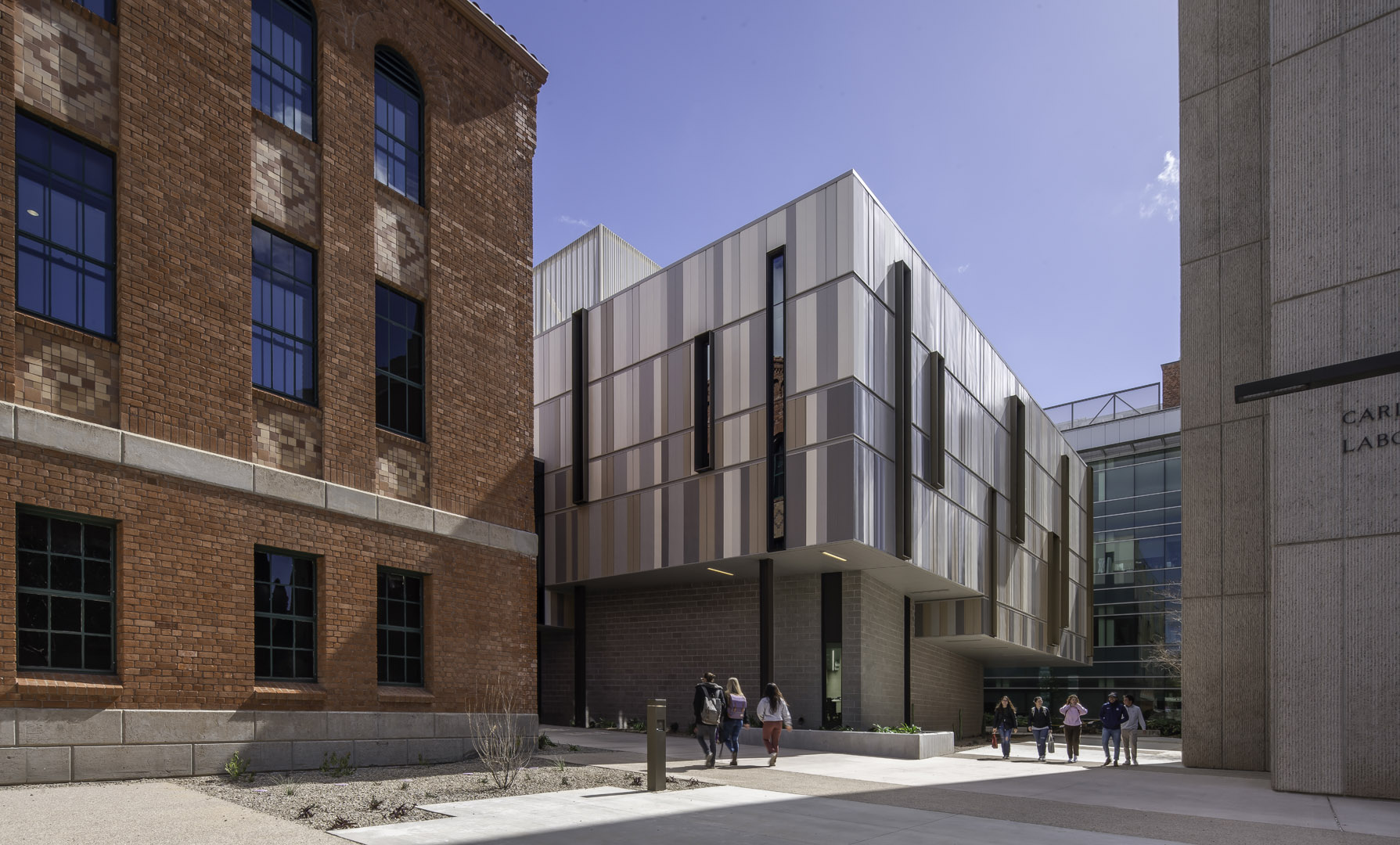
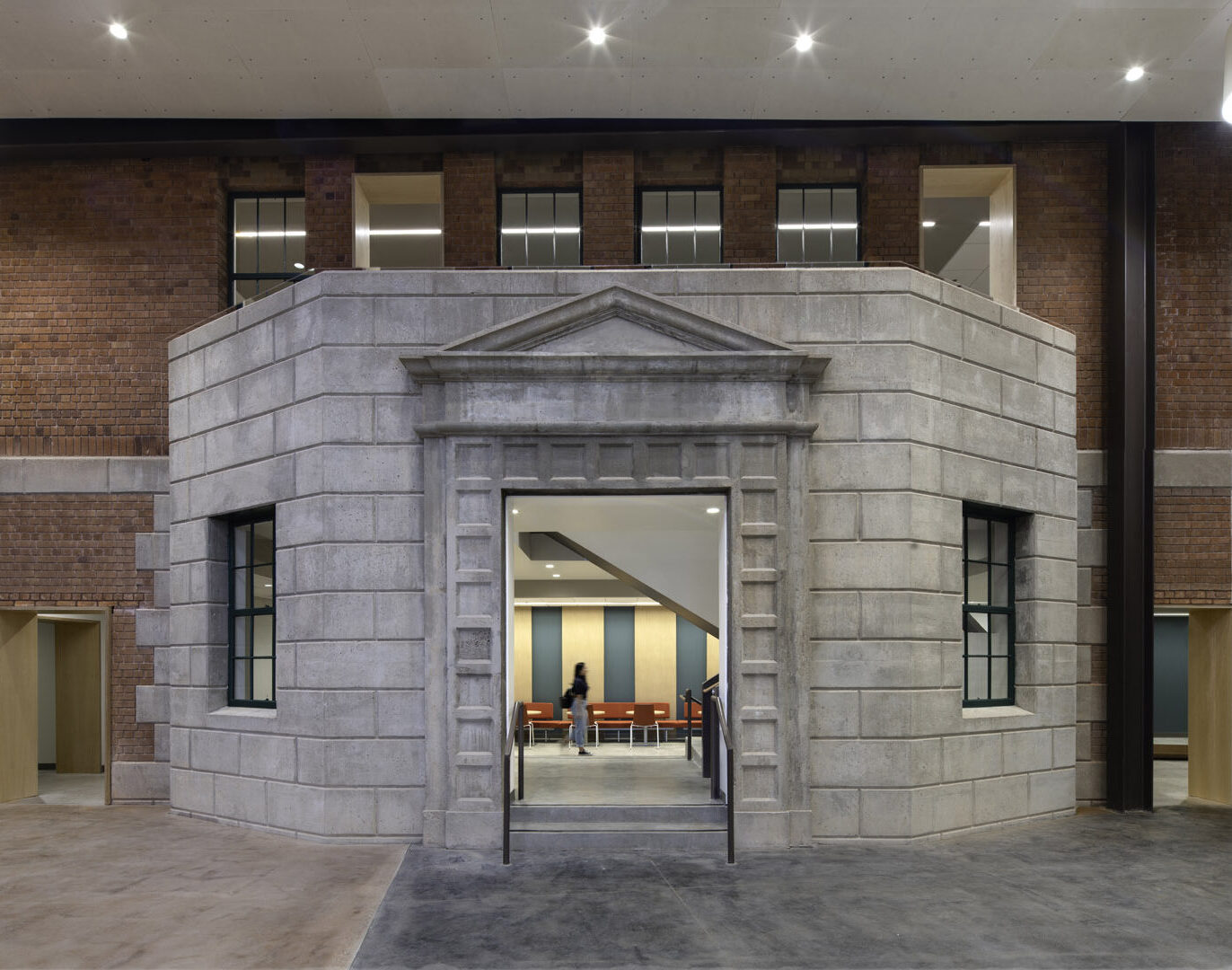
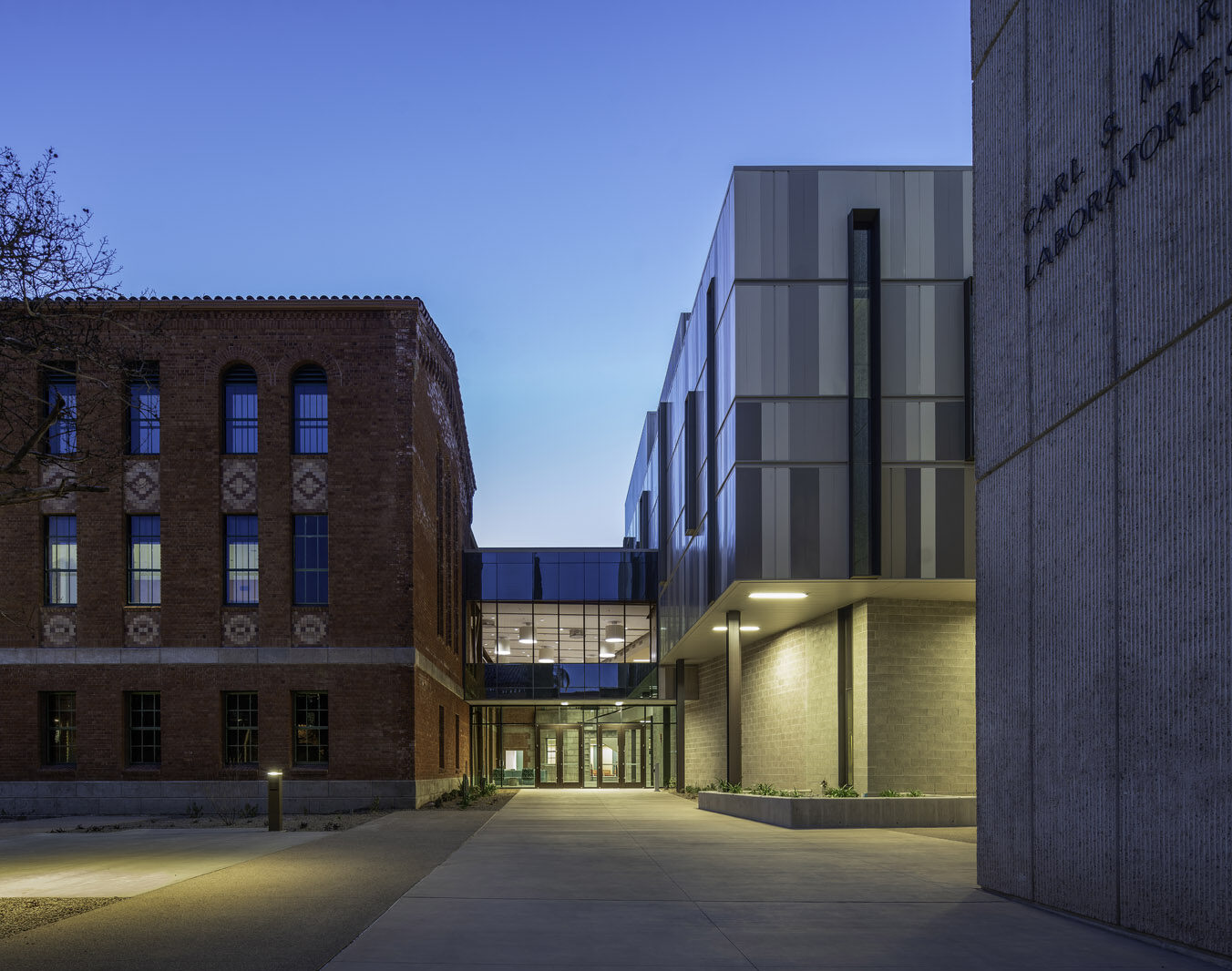
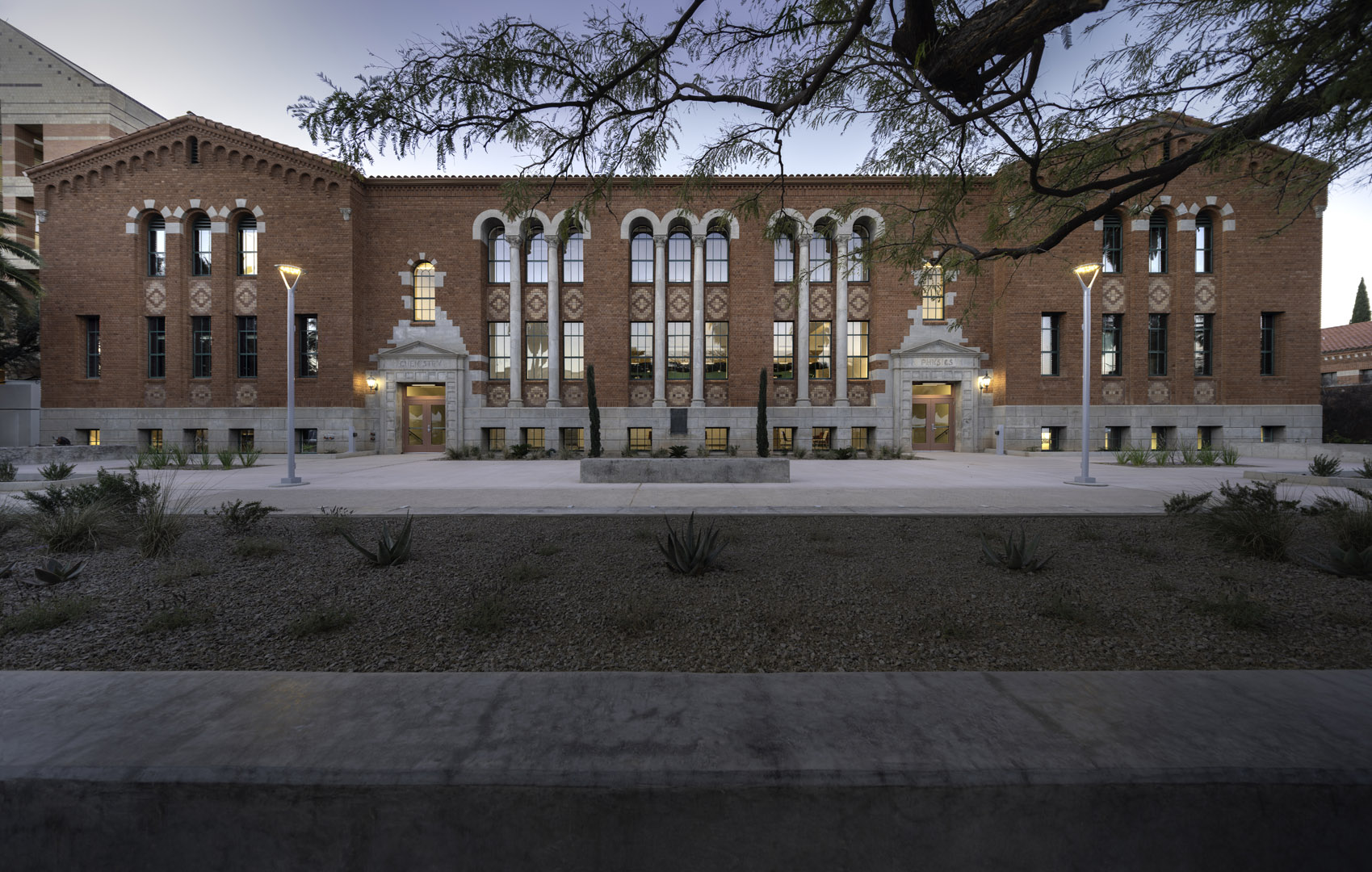
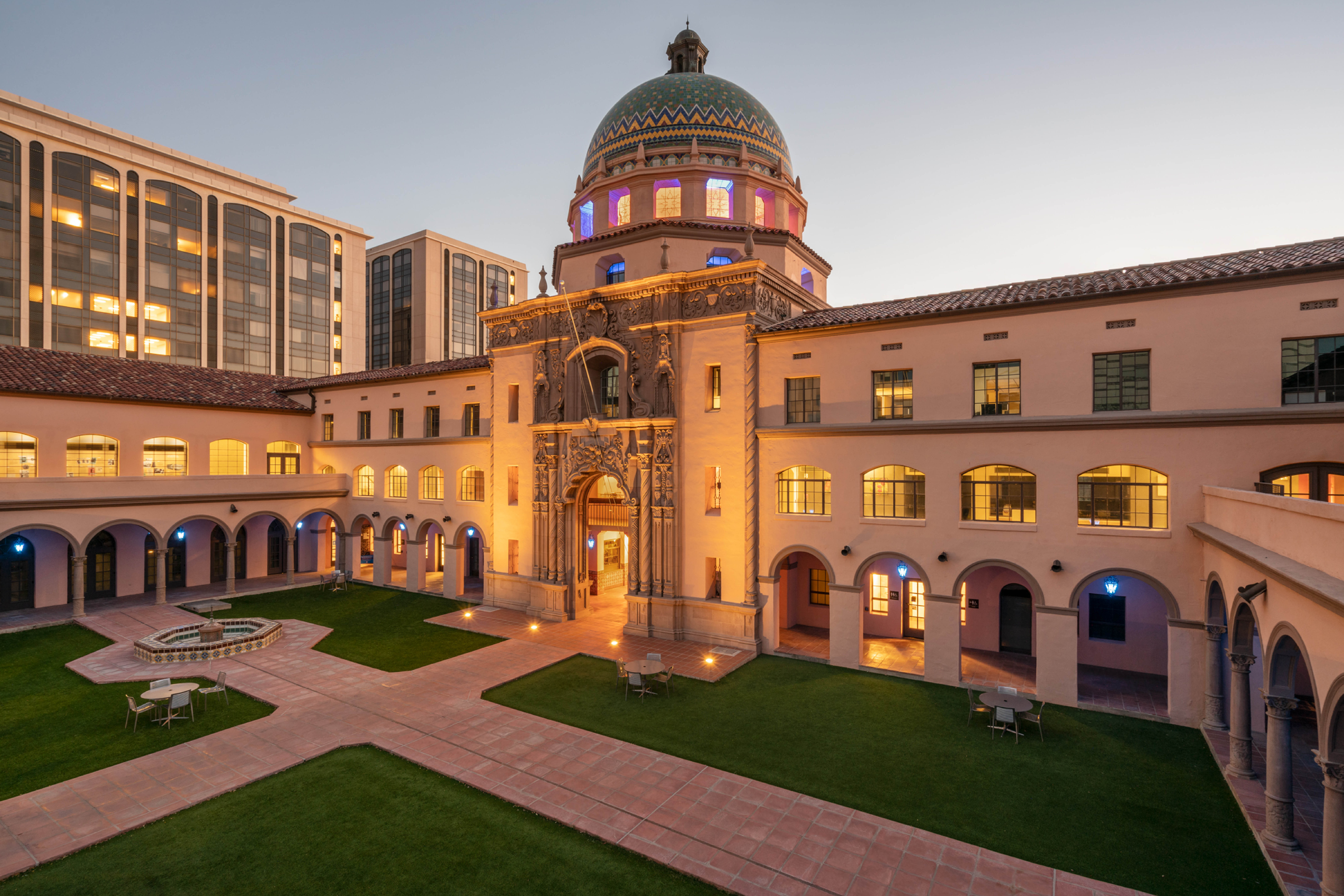
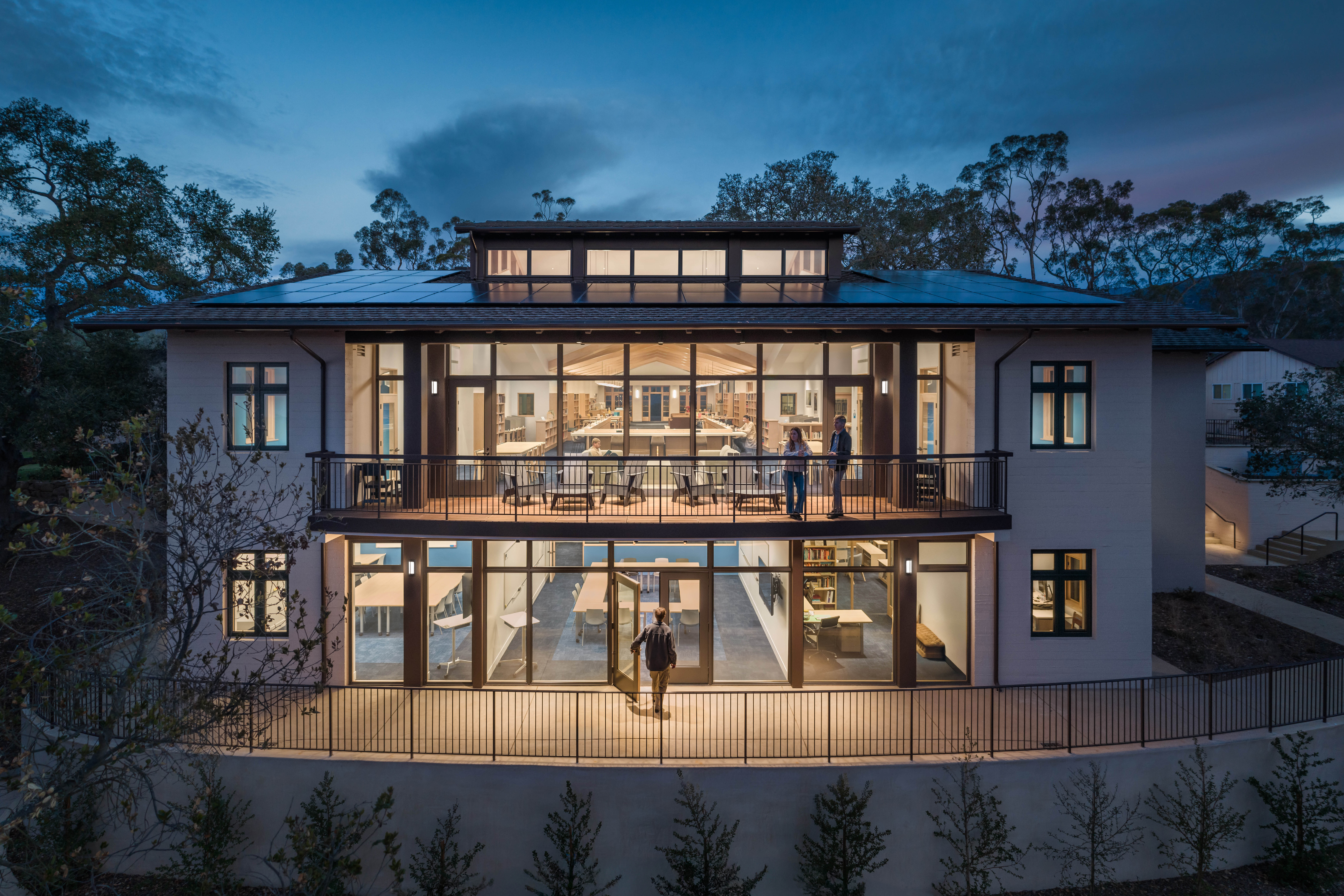
The Old Chemistry Building is a 78,600 square foot renovation and addition project that transforms a historic campus landmark into an innovative teaching hub supporting evidence-based learning strategies. One of five buildings constructed on the University of Arizona campus in the late 1930s under the Works Progress Administration (WPA) building program, the original Chemistry-Physics building was designed by Tucson architect Roy Place as a three-story red brick structure, with subsequent additions in 1948 and 1962. As part of the current renovation, the southern wing is being demolished and replaced with a new three-story auditorium and classrooms. The renovated Old Chemistry Building and the new Commons building together provide seven collaborative classrooms and café spaces designed to encourage student and faculty engagement, with biophilic design elements and exterior spaces contributing to the project’s green building goals.
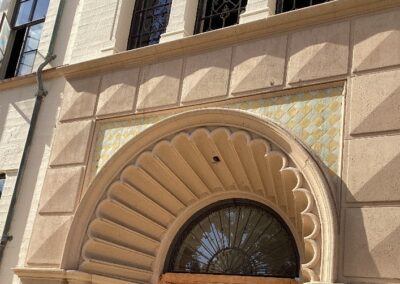
In the new Commons building, structural steel was used to create large open areas for the two-story volume lecture space. The structural system of the Commons building also consists of steel roof and floor framing supported by steel columns and braced frames. Renovations to the existing building included updates to the north side entry to provide accessible entrances and a student gathering area. Portions of the second floor and third floor were removed. The north wall, originally braced by the second floor, was strengthened with reinforced concrete masonry piers. The original exterior brick wall with piers between windows is not impacted as historic requirements did not allow the exterior of the existing building to be significantly modified.