Details
- Size: 6,500 square feet
- Completion Date: 2024
Team
- Architect: KTGY
- Contractor: Kent Construction
Awards
- Award of Merit – New Construction, 2026 SEAOSC Excellence in Structural Engineering Awards
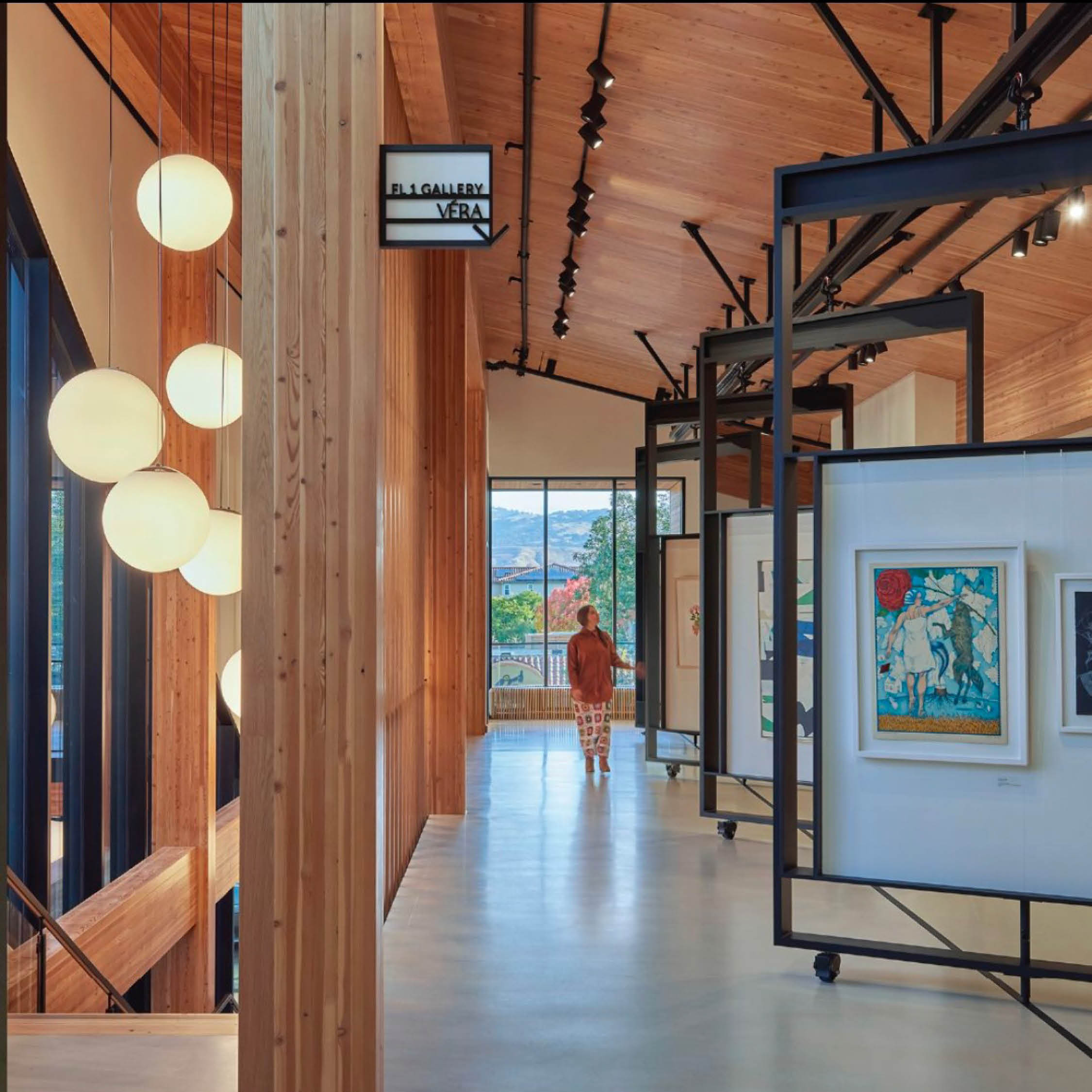
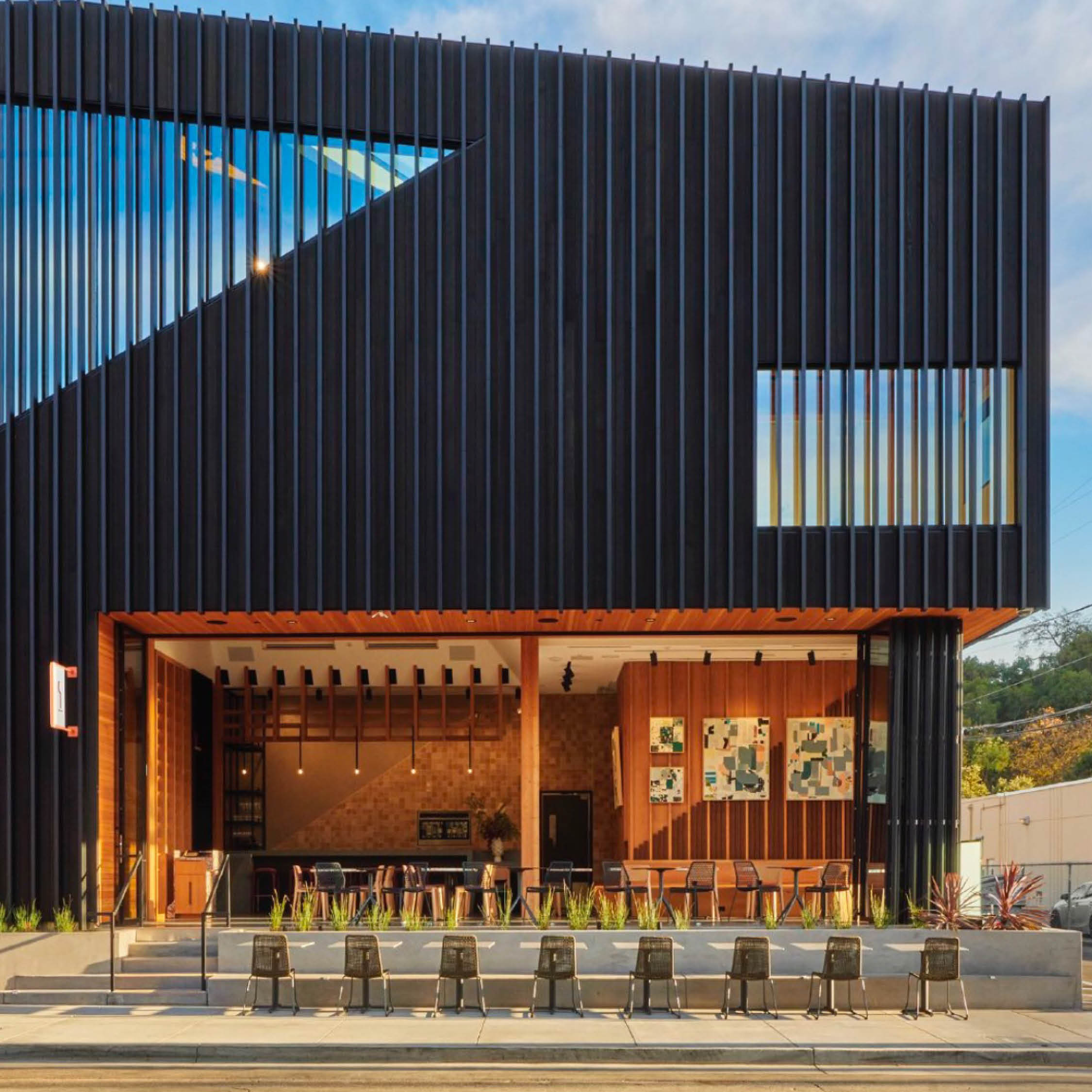
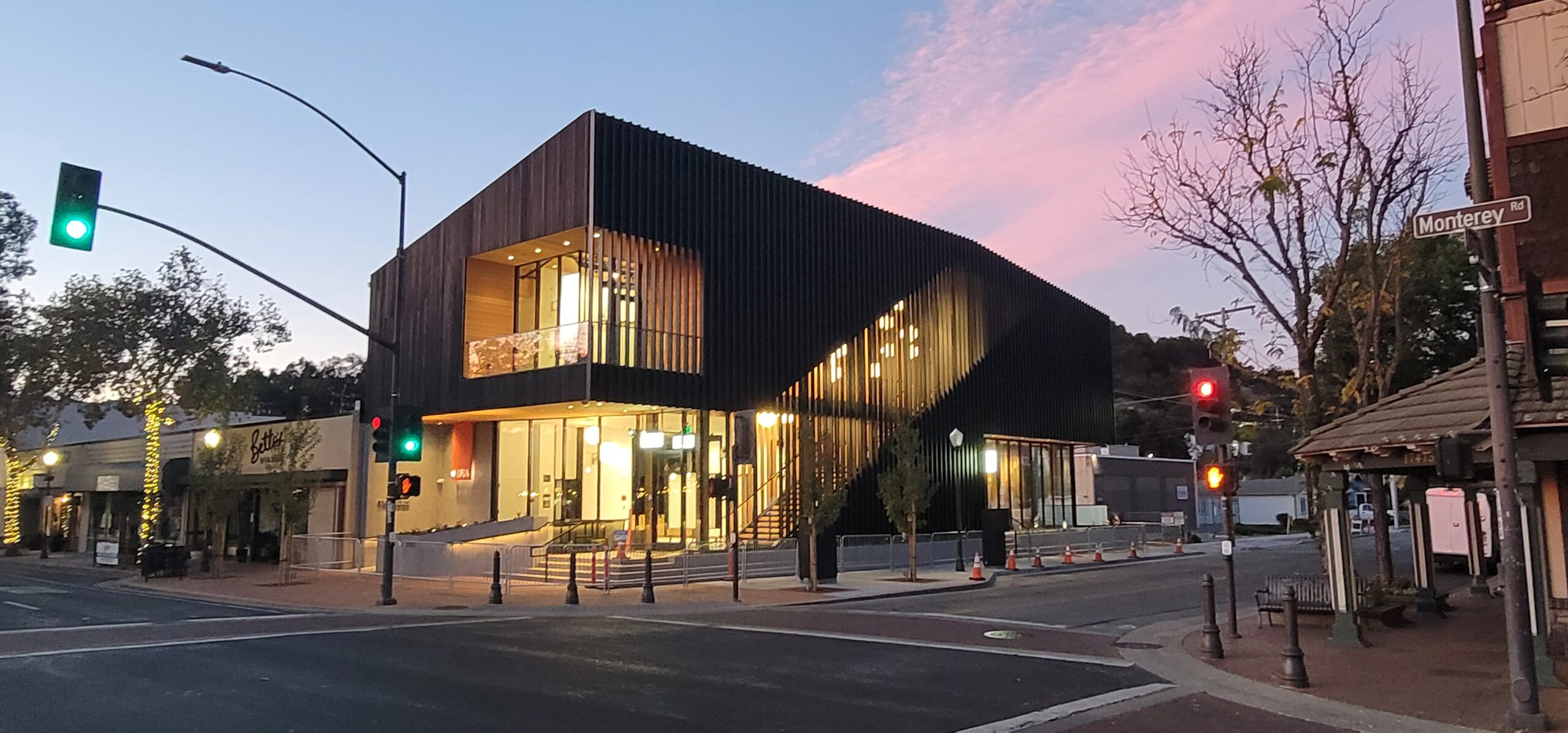
The Edes Building in Morgan Hill, CA is a new, 2-story 6,500 SF commercial
building, serving as an art gallery. The 1st floor showcases 3D works and
sculptures and includes a small café to serve gallery visitors. The second level
includes a flexible workshop/event space with movable walls, a 400 SF frame
shop, a restroom, and a small office. Both levels display prints, paintings, and
photographs on movable walls. Emphasizing adaptability, the design fosters an
evolving exhibition space that continually highlights a diverse array of emerging artists.
The structure utilizes Mass Timber/CLT, with interior glulam columns and robust glulam [GU1.1] beams intentionally designed to create a dynamic interior that shifts between expansive and intimate. Innovative structural solutions enabled the use of CLT as a component of the building’s lateral system, prior to adoption of such a system within the building code. The engineering system also enabled a multi-story floating atrium and a large balcony suspended by hidden hangers, giving it the appearance of floating over the entry.
John A. Martin & Associates, Inc. worked closely with KTGY Group, Inc., other design consultants, and Kent Construction during preconstruction to create a digital mockup of the building and ensure accurate details and a smooth construction phase. Because Mass Timber/CLT was such an integral piece of the structural system, we also worked closely with Kalesnikoff, the mass timber fabricator, to optimize the structural timber details, particularly where it met other materials.
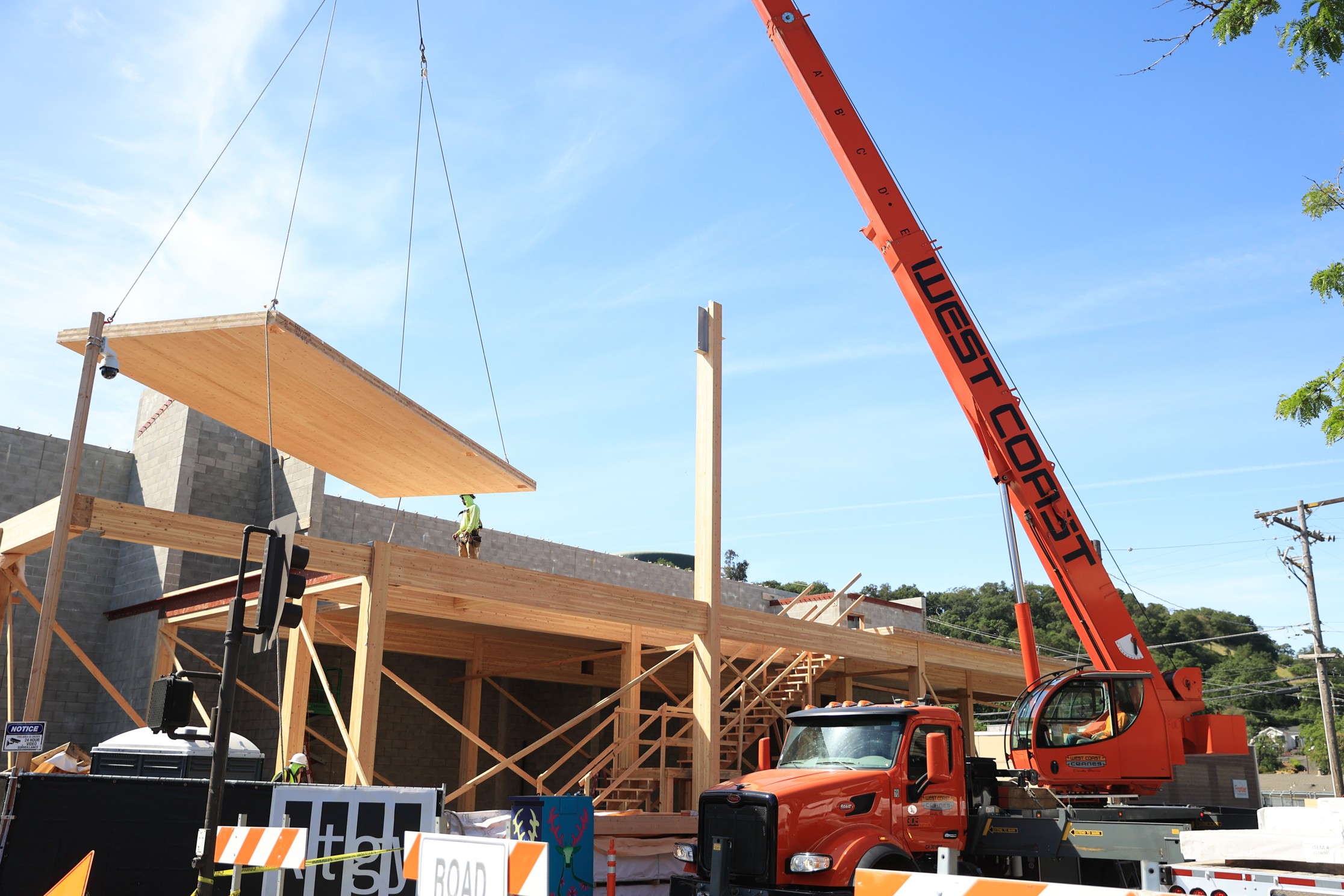
Construction image of the Edes Building, showcasing CLT as a lateral system
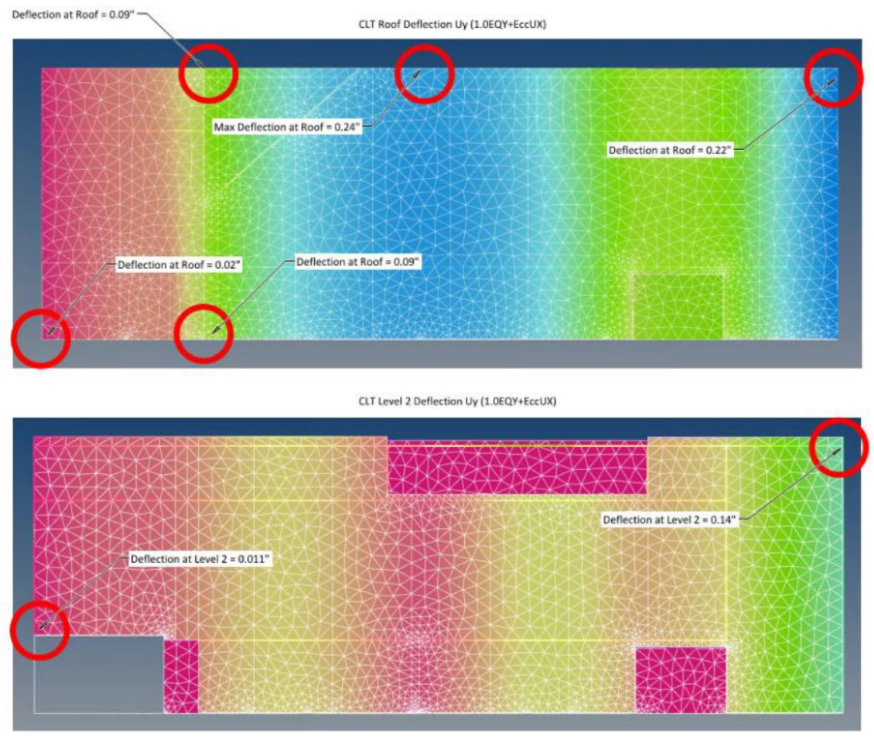
This project broke new ground in mass timber design, requiring creativity and technical innovation from the team to solve several “ahead of their time” engineering challenges. The building uses cross-laminated timber (CLT) not only to carry gravity loads, but also as part of the building’s lateral system at a time when the building code had not yet formally approved this approach. The design was completed before CLT diaphragm provisions were adopted into the 2021 SDPWS, so the team relied on engineering fundamentals and peer-reviewed research to demonstrate performance to the building official.
To support this, the team performed custom diaphragm analysis using an in-house structural modeling tool (Fenix), tailored to the properties of the CLT panels being used. This allowed the team to verify performance without prescriptive code guidance, an approach that later aligned with provisions adopted in the 2023 WoodWorks CLT Design Guide.
For this unique first-of-its-kind project, constructability was another major challenge. The team coordinated closely with the fabricator and contractor to digitally mockup the building in advance. This helped to address constructability and execution issues, resolving fit-up, sequencing, and detailing issues before construction began. This high-level pre-coordination allowed the prefabricated timber components to be efficiently assembled on site with minimal rework.
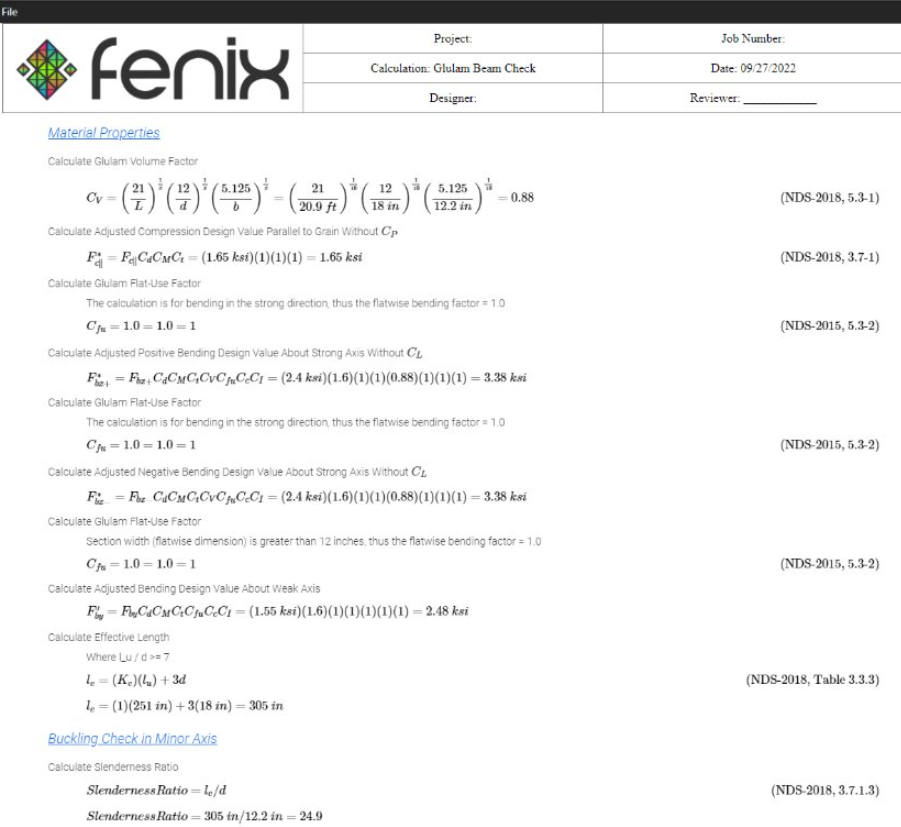
Custom diaphragm analysis in Fenix
The structural system was intentionally designed to serve both architectural and sustainability goals. Mass timber was selected to create
warm, open spaces while reducing the project’s embodied carbon. Where fire separation was required along the property line, a CMU wall was used to provide the necessary fire rating while also functioning as the building’s main lateral force resisting system allowing the design to avoid redundant materials.
By taking advantage of the long length of CMU wall, the street-facing side of the building utilizes open framing, allowing the facade and stair to feature without visual obstruction.
The mass timber system was carefully detailed to let the wood remain visually prominent. Concealed connections and custom-milled glulam columns were developed at the architect’s request so that the structural system remained hidden. This helped reinforce the building’s identity as a contemporary mass timber project while maintaining open interiors around the floating atrium and cantilevered spaces.
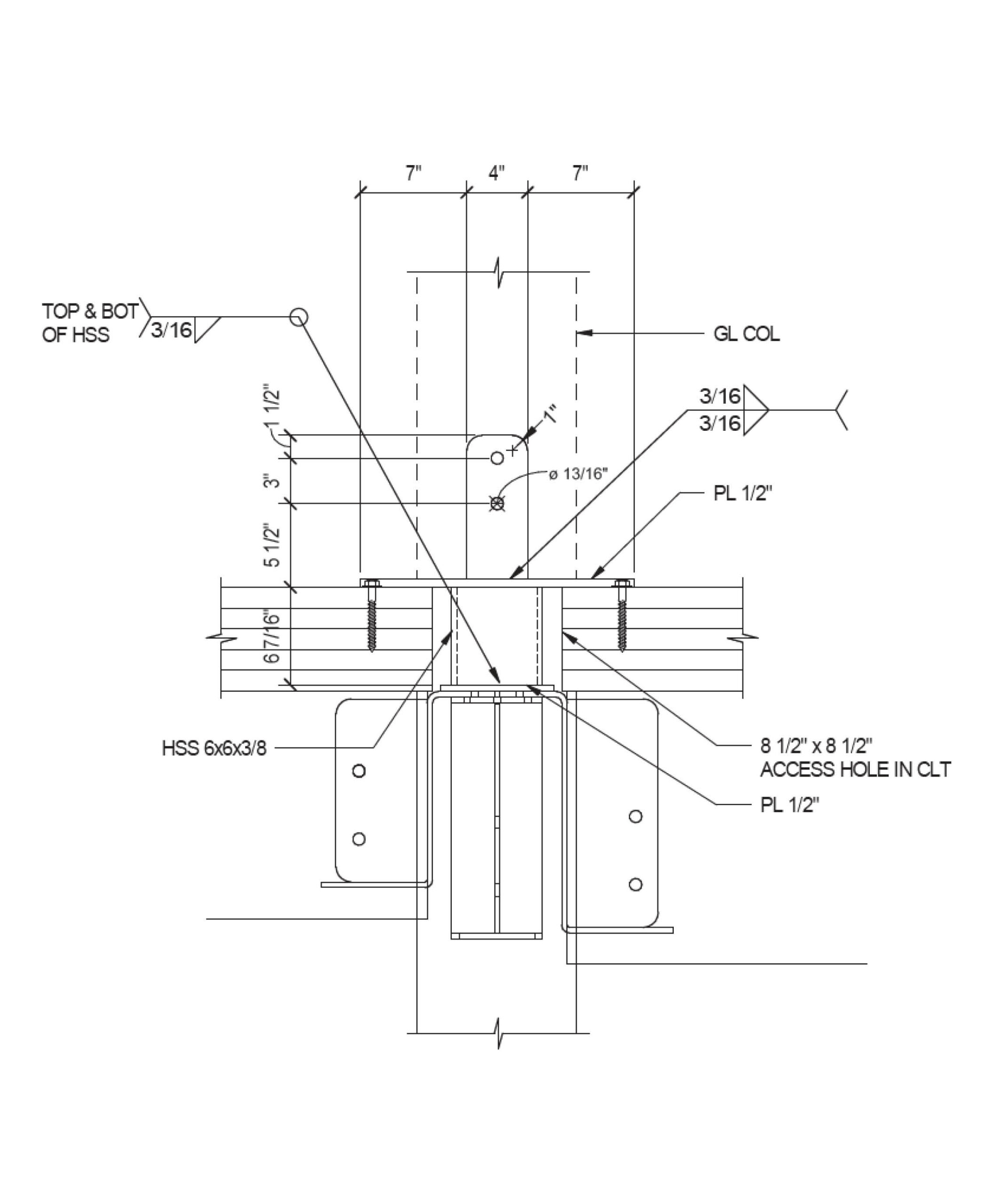
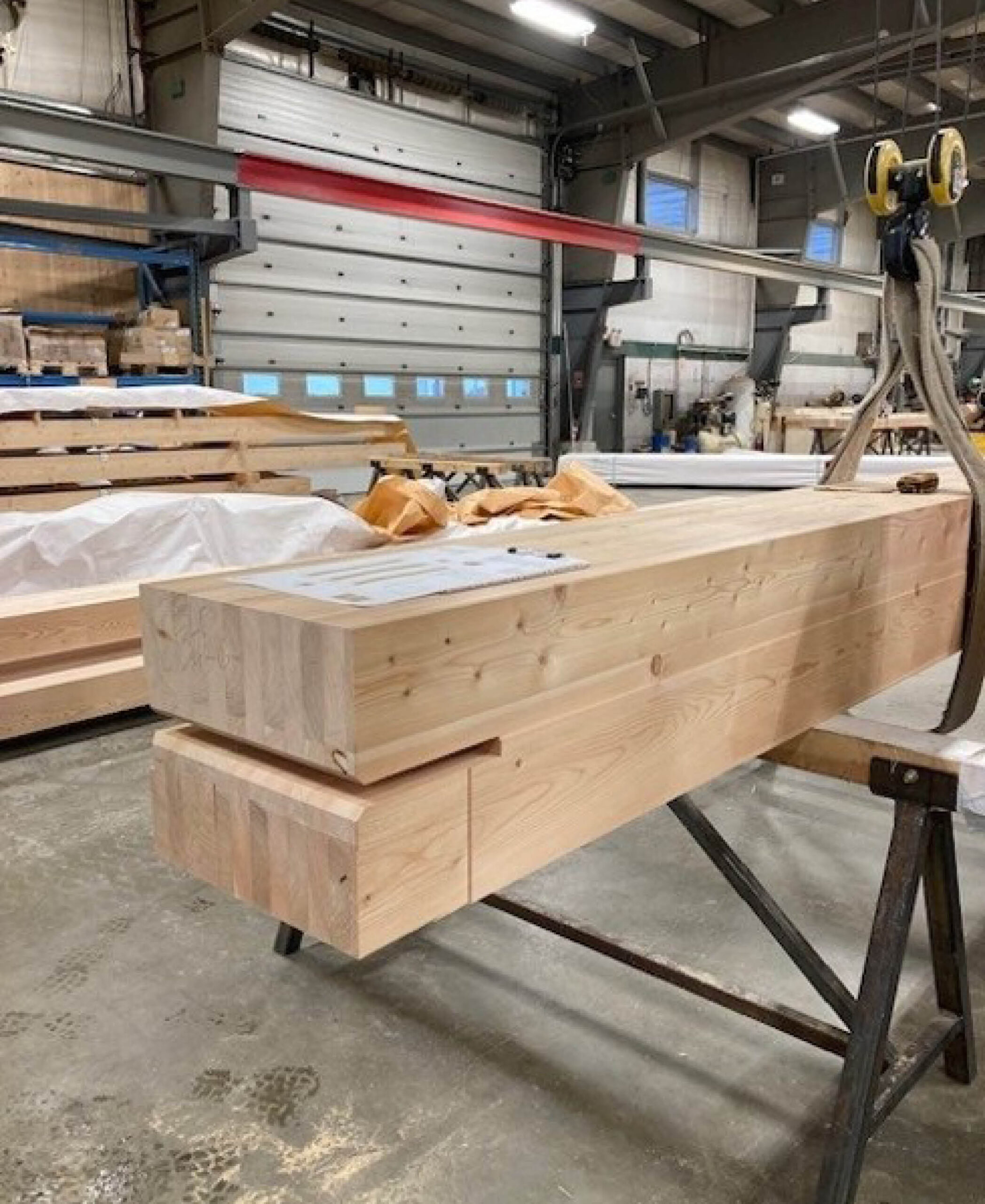
(Left) Detail of a typical GL column base to GL column and CLT connection;
(Right) Manufacture of a typical GL column base to GL column and CLT connection
Prefabrication was a key part of the strategy, and we worked closely with Kalesnikoff, the mass timber manufacturer, to achieve this. Most timber components were fabricated off-site and assembled quickly in the field, improving efficiency by reducing construction time, streamlining quality control, and minimizing site disruption. Early digital coordination with the fabricator and contractor ensured that structural elements, architectural features, and construction sequencing were fully aligned before materials arrived on site.
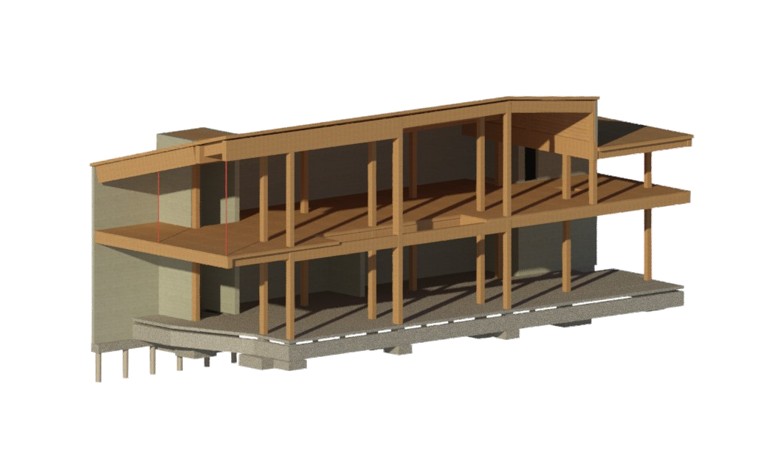
Rendering showcasing the hanging cantilever and concealed tension rod
This project exhibits Structural Engineering excellence through its engineering leadership. In order to utilize CLT as part of the project’s lateral system, which had yet to be formally approved in the building code, John A. Martin & Associates, Inc. researched and demonstrated its viability through its in-house modelling tool, Fenix.
The project also exhibits Structural Engineering excellence by enabling architectural design decisions. Some requirements presented complex geometric and structural challenges, including a multi-story floating atrium and hanging cantilevers that required careful control of load paths while maintaining open, column-free spaces.
Many of these structural connections, such as concealed tension rods and custom steel interfaces, were designed to be hidden, preserving the architectural intent while still meeting performance demands.
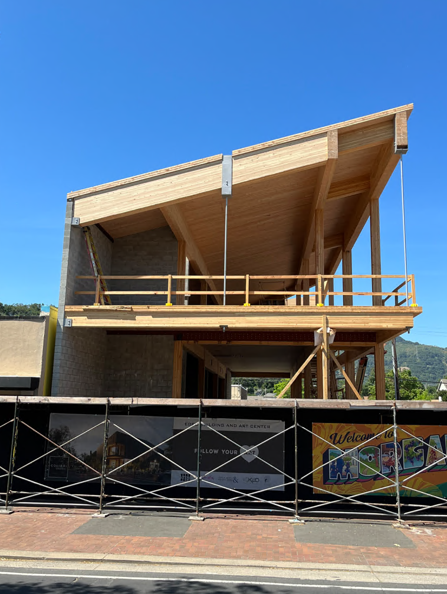
Construction image showcasing the hanging cantilever and concealed tension rod
Overall, the structural system shaped the building. The integrated use of mass timber and steel allowed the project to meet code requirements, support ambitious architectural forms, enhance sustainability, and deliver open, flexible community-focused spaces that align with the project’s broader design and public goals developed with KTGY.