Natural History Museum of Los Angeles County Historic Seismic Retrofit of the 1913 Building
Details
- Size: 24,600 square feet
- Completion Date: 2011
Team
- Architect: CO Architects
- Contractor: MATT Construction
Awards
- Outstanding Achievement in Historic Preservation, 2009 California Preservation Foundation
- Preservation Award, 2011 Los Angeles Conservancy
-
Award of Excellence – Retrofit / Alteration Category, 2012 SEAOC Excellence in Structural Engineering Awards
JAMA’s relationship with the Natural History Museum of LA County has endured nearly two decades, from the initial campus renovation to its most current expansion efforts. Throughout, the firm has leveraged our understanding of museum operations to develop design approaches that consider construction phasing strategies to minimize disruption to the Museum and keep it operational during construction. JAMA’s efforts have spanned new construction, historic rehabilitations, modernizations, seismic upgrades, and specialty structures.
1913 Building (2010)
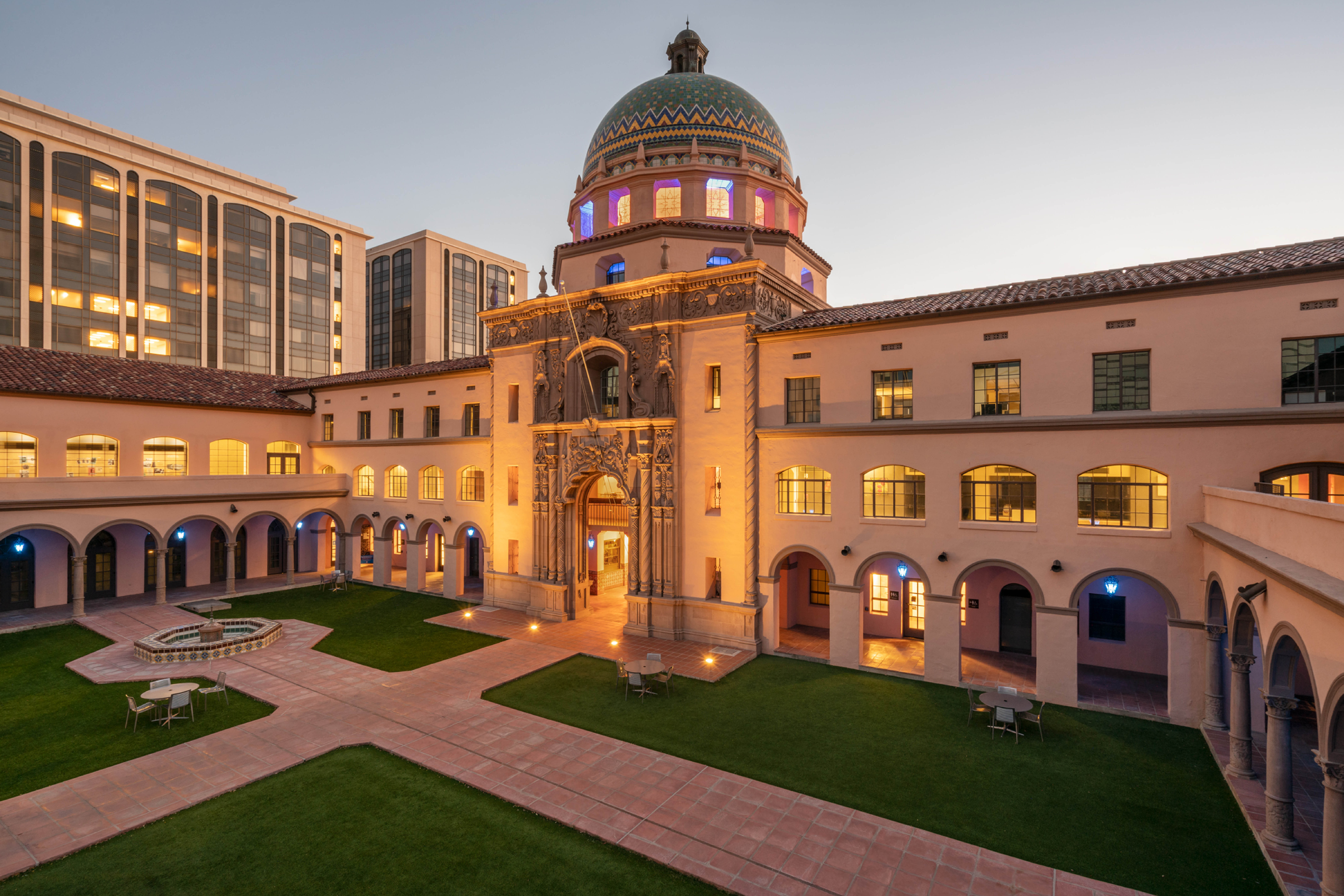
Listed on the California Register of Historical Buildings for its ornate exterior masonry walls and the Beaux Arts details of the central rotunda, the fragility of the materials and their age made the voluntary upgrade to the unreinforced masonry and existing steel-frame structure a distinct challenge.
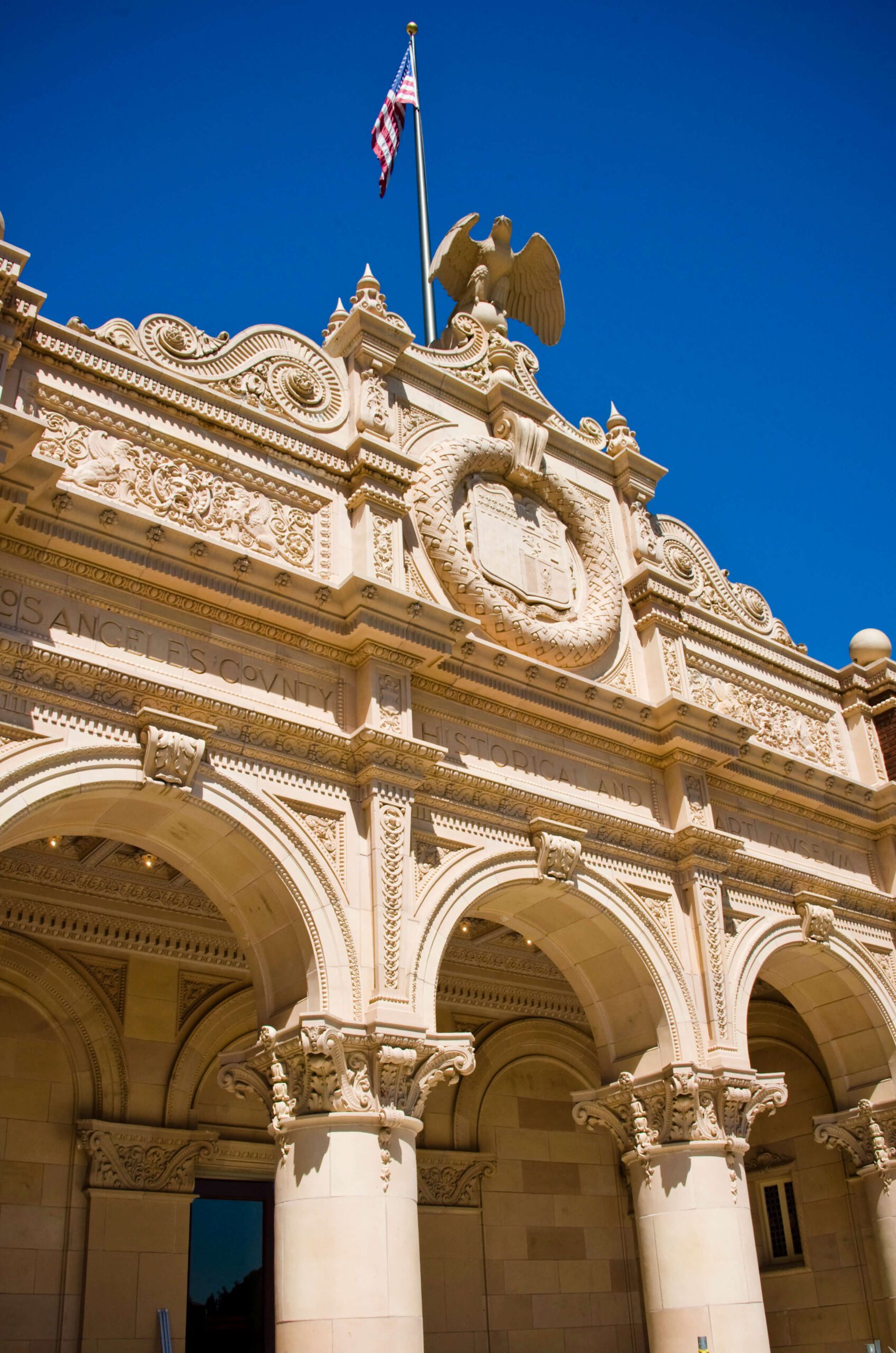
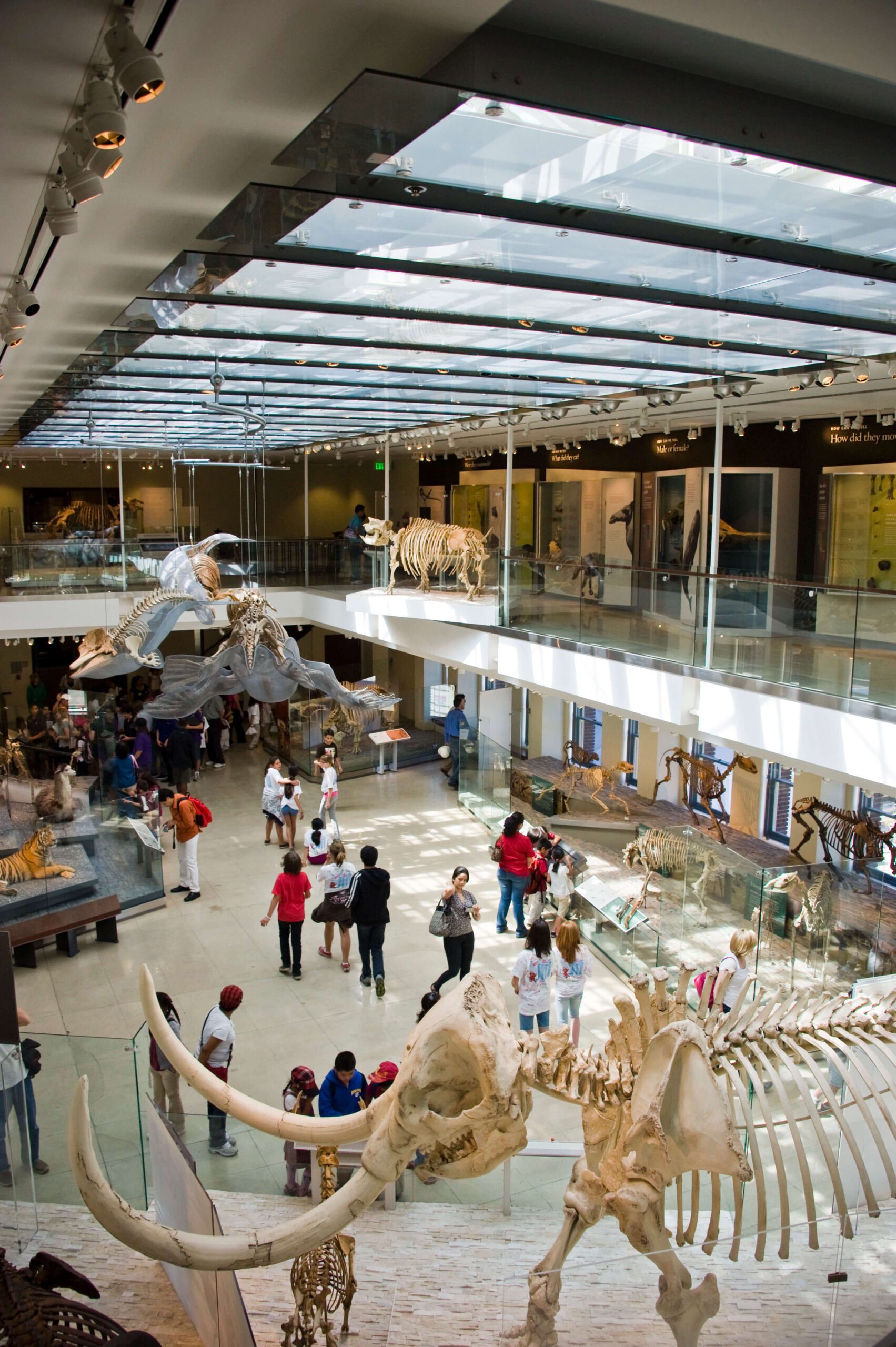
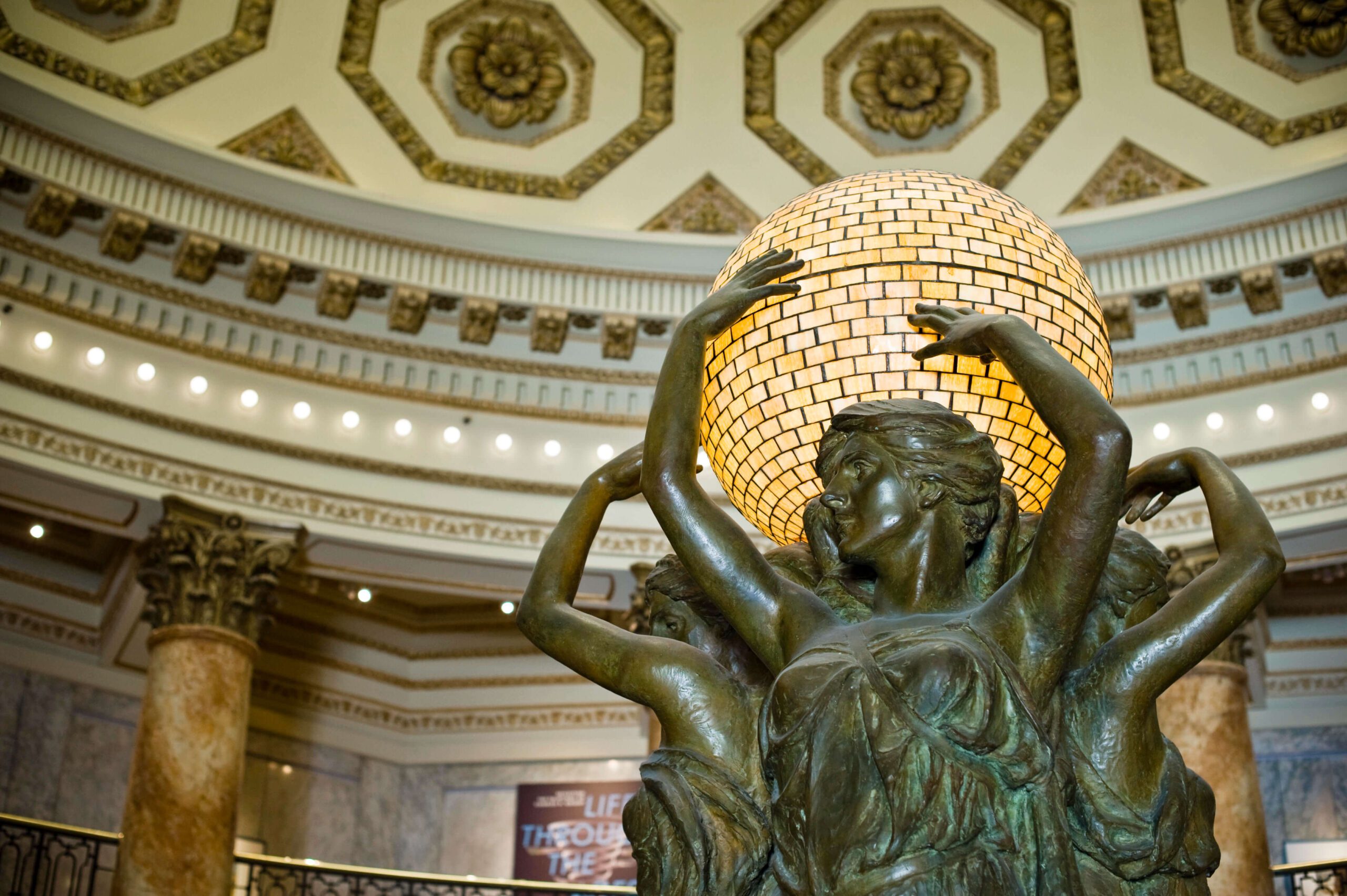
Exterior masonry walls and the building envelope in the rotunda area were considered the most important elements to the historic fabric. A novel application of bonded carbon fiber technology permitted the seismic strengthening of the building without any visible effect on the historic facade. Vertical shafts, each 6-inches in diameter, were cored into the exterior masonry walls from the roof and through the foundation. The shafts were then fitted with steel reinforcing rods and filled with a high-strength polymer resin which bonds to both masonry and steel. In addition to fortifying the walls, the seismic retrofit involved thinning the building’s heavy concrete rooftops and injecting hairline cracks with concrete to prevent water damage.
Unit 1 Addition (2011)
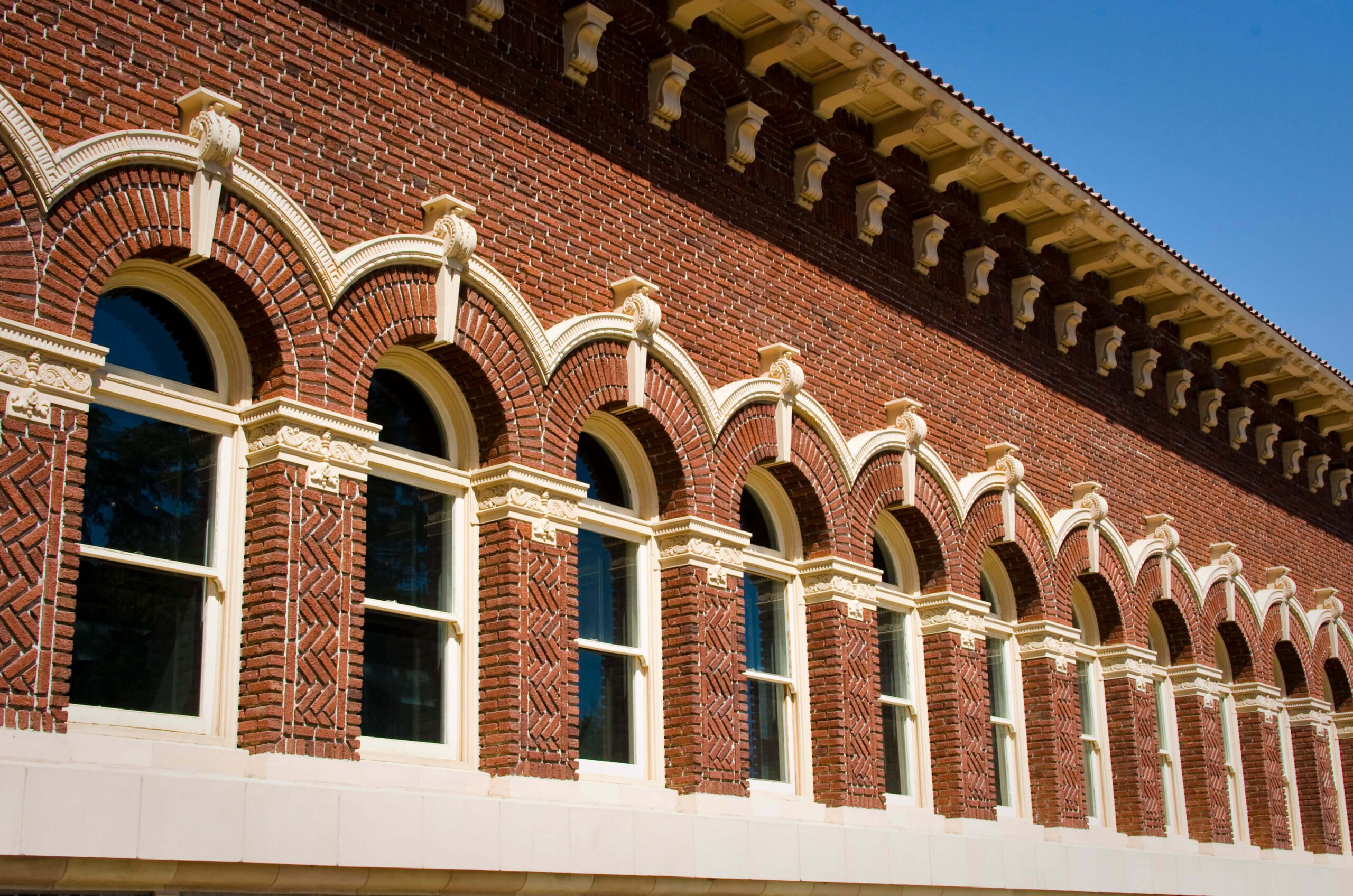
Built in 1924, the Museum’s Unit 1 building is among the campus’ oldest structures and was part of the initial renovation. Addressing connections and tie-ins to other adjacent structures as well as careful phasing to accommodate shifting exhibitions and visitor traffic, the engineering helped seamlessly retrofit and renovate the building to accommodate new exhibits. Subsequent work in this phase included a new multi-level and partially subterranean parking structure.